
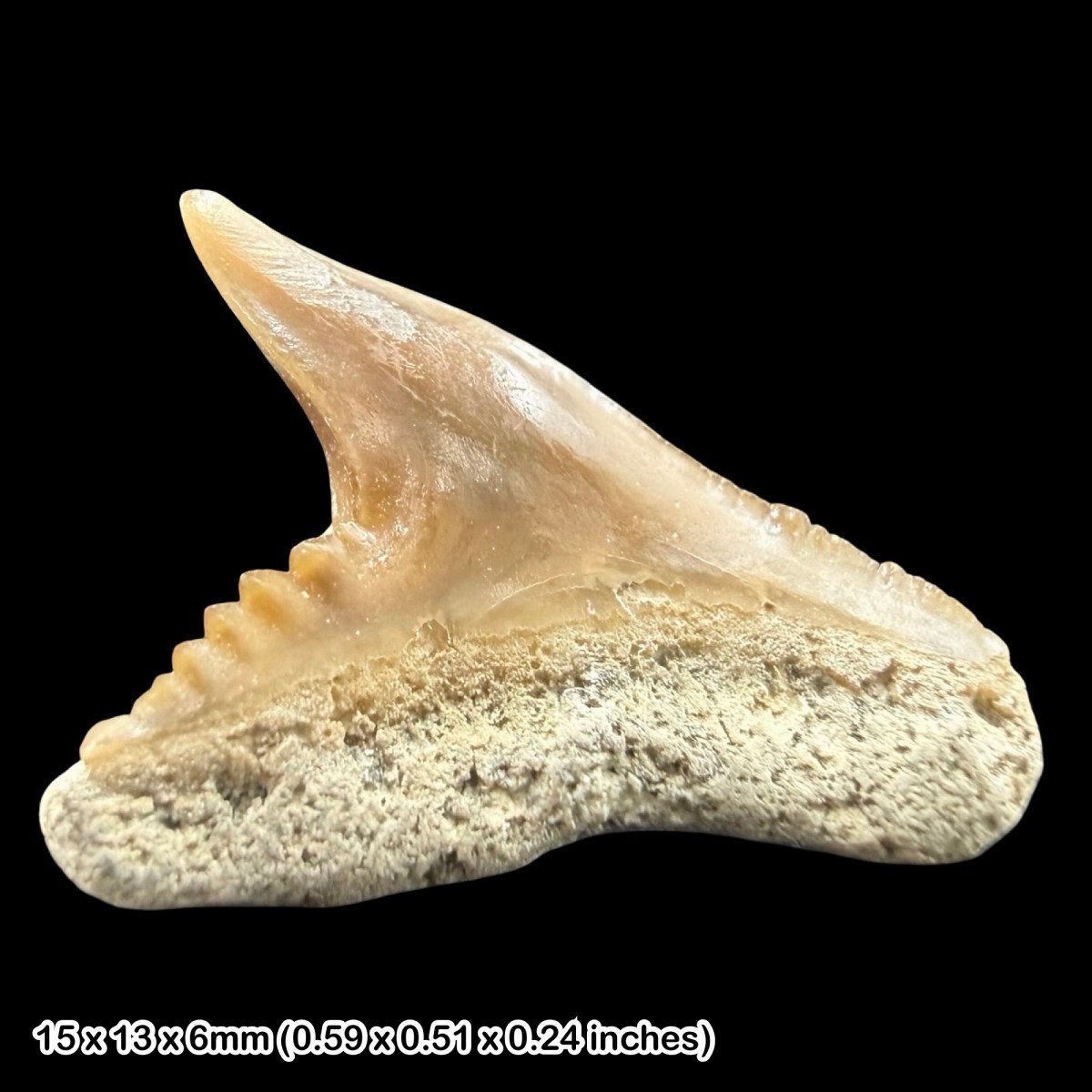
Rare Physogaleus Shark Tooth Fossil Oligocene Miocene Kazakhstan Specimen – Physogaleus sp Fossil Tooth Mangyshlak Peninsula West Kazakhstan
$ 54.00
Description Rare Physogaleus Shark Tooth Fossil from Kazakhstan This genuine Physogaleus sp. shark tooth fossil originates from the fossil-rich sediments of the Mangyshlak Peninsula in West Kazakhstan, an area known for producing well-preserved marine vertebrate fossils from the Oligocene to Miocene Epochs, approximately 34 to 5 million years ago. Shark teeth from this region are highly collectible due to their distinctive preservation and their connection to ancient marine ecosystems that once covered large parts of Central Asia. Physogaleus represents a genus of extinct sharks belonging to the family Carcharhinidae, within the order Carcharhiniformes, commonly known as ground sharks. This group includes many modern coastal shark species and has a long evolutionary history stretching back tens of millions of years. Fossils attributed to Physogaleus are widely recognised for their distinctive tooth morphology and are commonly found in marine deposits dating from the Paleogene and Neogene periods. This specimen is a carefully selected example, preserving the classic features of a Physogaleus tooth and offering a fascinating glimpse into the prehistoric seas of Central Asia. Geological Setting of the Mangyshlak Peninsula The Mangyshlak Peninsula, located along the eastern margins of the Caspian Sea in western Kazakhstan, contains extensive marine sedimentary sequences dating from the Oligocene and Miocene epochs. During this time, the region was covered by shallow seas connected to the ancient Paratethys Ocean, a large inland sea that extended across much of Eurasia. Sediments deposited in these environments consist of marine sands, silts, and limestones rich in fossilised remains of sharks, rays, bony fish, molluscs, and marine mammals. Periodic sediment accumulation and favourable burial conditions allowed durable structures such as shark teeth to fossilise and remain preserved for millions of years. These deposits provide valuable insight into the changing marine ecosystems of the Paratethys and the evolutionary history of sharks during the Paleogene and Neogene. Physogaleus Shark Classification and Evolution Physogaleus belongs to the class Chondrichthyes, a group of cartilaginous fishes that includes sharks, rays, and chimaeras. Unlike bony fish, sharks possess skeletons composed primarily of cartilage, which rarely fossilises. As a result, teeth are the most common fossil evidence of ancient sharks. The genus Physogaleus was formally described by the Swiss naturalist Louis Agassiz, one of the pioneers of fossil fish research during the nineteenth century. Agassiz recognised the unique features of these shark teeth and established the genus based on their characteristic morphology. Members of this genus were likely active marine predators inhabiting coastal and offshore environments, feeding on fish, cephalopods, and other marine organisms. Tooth Morphology and Identifying Characteristics Physogaleus teeth are easily recognised by several distinctive morphological traits that differentiate them from other fossil shark species. These features may include: A triangular central crown adapted for cutting prey Fine serrations along the cutting edges A slight distal curve of the crown A broad root structure used to anchor the tooth in the jaw These teeth were designed for efficient predation, allowing the shark to slice through soft-bodied prey and fish within the marine ecosystem. Sharks continuously shed and replace their teeth throughout their lives, which explains why fossil shark teeth are commonly preserved in marine sediments while other skeletal elements are rarely found. Ancient Marine Environment of the Paratethys Sea During the Oligocene and Miocene, the Mangyshlak region formed part of the vast Paratethys Sea, a dynamic marine system that stretched from Central Europe across western Asia. This sea supported a rich marine fauna including sharks, rays, bony fish, marine reptiles earlier in the Paleogene, and eventually marine mammals such as early whales and seals. The shallow coastal waters and nutrient-rich marine conditions created an ideal habitat for predatory sharks such as Physogaleus. Fossil teeth preserved in these sediments provide important evidence of the biodiversity and ecological structure of these ancient marine ecosystems. Authentic Fossil Specimen This fossil is a genuine Physogaleus shark tooth from the Mangyshlak Peninsula of West Kazakhstan. The specimen has been carefully chosen for quality and display appeal, preserving the natural form and detail of the fossil tooth. The photographs show the actual fossil specimen you will receive, ensuring complete authenticity for collectors and enthusiasts. Full sizing please see photo. Certificate of Authenticity This fossil includes a Certificate of Authenticity lifetime guarantee generic card, confirming that the specimen is a genuine natural fossil. Physogaleus shark teeth from the Oligocene and Miocene deposits of Kazakhstan represent a fascinating connection to the ancient Paratethys Sea and the long evolutionary history of predatory sharks. This specimen offers both geological significance and visual appeal, making it a striking addition to any fossil collection or educational display.