
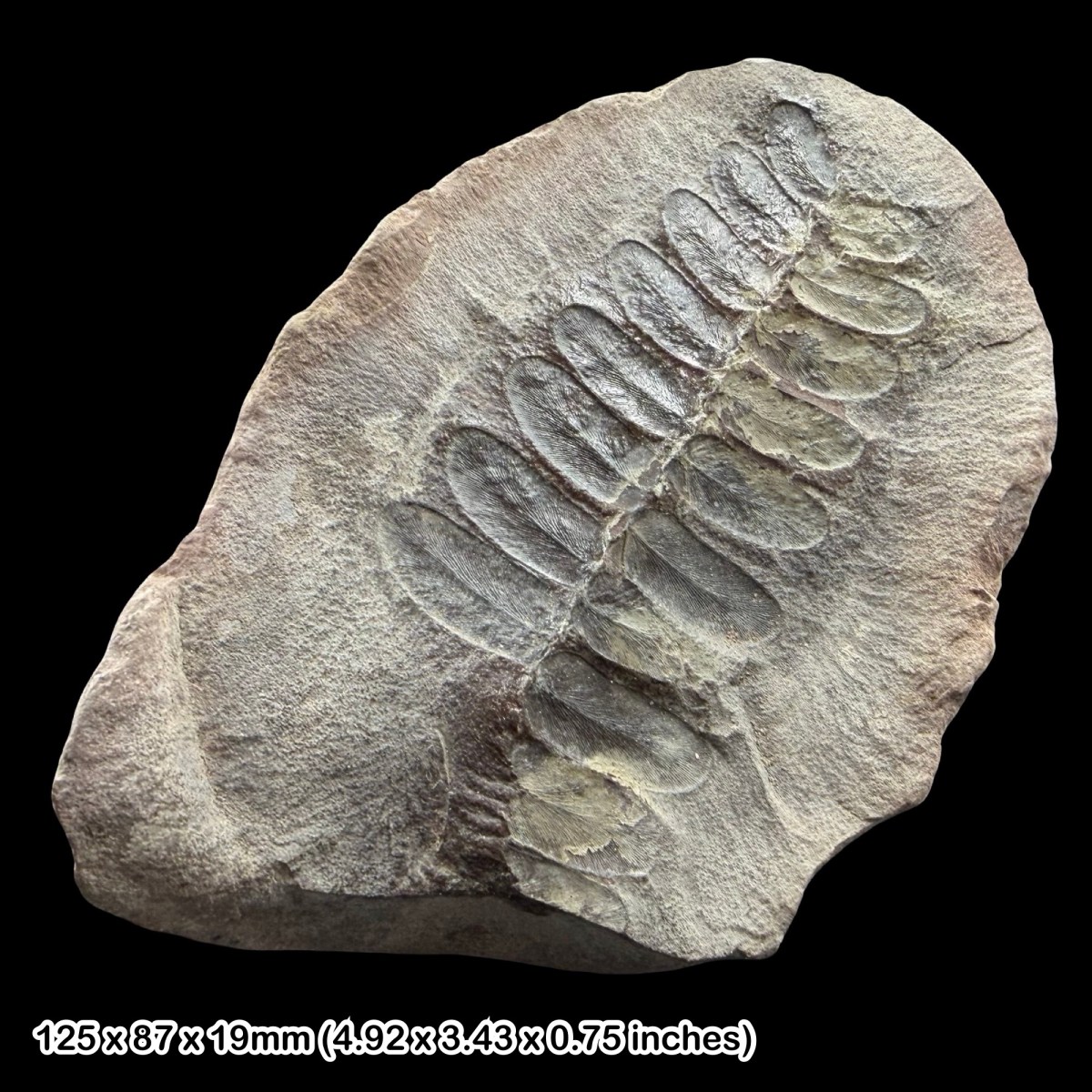
Pecopteris Fossil Fern Carboniferous Coal Measures Wigan Lancashire UK Plant Fossil – Genuine British Fossil with COA
$ 36.65
Description Pecopteris Fossil Fern from the Carboniferous Coal Measures of Lancashire This genuine Pecopteris fossil fern originates from the Middle Coal Measures of Wigan, Lancashire, United Kingdom, and dates to the Upper Carboniferous Period approximately 310 million years ago. The fossil preserves the distinctive frond structure of an extinct fern-like plant that once grew within the vast tropical swamp forests that dominated much of Europe during the Carboniferous. The Coal Measures of northern England are famous for their fossil plant assemblages, which record the vegetation that contributed to the formation of the region’s historic coal deposits. Fossil ferns such as Pecopteris are among the most recognisable and aesthetically appealing plant fossils from this time. The specimen shown in the photographs is the exact fossil you will receive, carefully selected for its preservation and detail. Each fossil includes a Certificate of Authenticity with a lifetime guarantee, confirming the specimen is a genuine natural fossil. Please refer to the photographs for full specimen sizing and scale. About Pecopteris – Ferns of the Carboniferous Coal Forests Pecopteris is a well-known genus of fossil fern foliage widely found in Carboniferous and Permian coal-bearing rocks. The name derives from the Greek words pekos meaning comb and pteris meaning fern, referring to the comb-like arrangement of the leaflets along the frond. Taxonomic classification: Kingdom: Plantae Division: Pteridophyta Class: Filicopsida Order: Marattiales Family: Marattiaceae Genus: Pecopteris Many species assigned to Pecopteris represent the fronds of large tree ferns that formed an important component of the dense vegetation covering Carboniferous wetlands. Some of these plants grew several metres tall and contributed significantly to the organic material that later became coal. The genus Pecopteris was first described and named by the German palaeobotanist Adolphe Brongniart, often regarded as the founder of palaeobotany for his pioneering work on fossil plants in the early 19th century. Geological Context – The Carboniferous Coal Measures This fossil comes from the Middle Coal Measures of the Upper Carboniferous, part of the extensive sedimentary deposits that underlie much of northern England. During the Carboniferous Period, the region that is now Britain lay close to the equator and experienced a warm tropical climate with vast swamp forests and river systems. These wetlands were dominated by a remarkable range of plant life including: Giant lycopsid trees such as Lepidodendron and Sigillaria Tree ferns including Pecopteris Horsetail relatives such as Calamites Early seed plants Plant debris accumulated in swampy environments where oxygen-poor conditions prevented rapid decay. Over millions of years, these thick layers of organic matter were buried beneath sediments and gradually transformed into coal seams, while impressions of leaves and stems were preserved in the surrounding mudstones and shales. The coalfields of Lancashire, particularly around Wigan, have produced many well-preserved plant fossils that illustrate the extraordinary biodiversity of Carboniferous forests. Morphology and Fossil Preservation The fossil preserves part of a fern frond, displaying the distinctive leaflet arrangement typical of Pecopteris. These fronds consist of a central stem known as a rachis, from which numerous smaller leaflets called pinnae extend in a symmetrical pattern. Characteristic features of Pecopteris fossils include: A clearly defined central rachis Parallel rows of narrow leaflets Fine venation patterns within each leaflet A comb-like arrangement of pinnae along the frond In many specimens the leaf structure is preserved as a detailed impression within fine-grained sedimentary rock. These impressions provide valuable information about the structure of Carboniferous plants and help palaeobotanists reconstruct ancient ecosystems. The delicate preservation of fern fronds like this reflects rapid burial in calm water environments where sediment protected the plant material before it decomposed completely. A Genuine Carboniferous Plant Fossil with Certificate of Authenticity This fossil represents an authentic piece of the Carboniferous coal forest ecosystem, offering a direct connection to the plants that dominated tropical landscapes more than 300 million years ago. Key features of this specimen include: Genuine Pecopteris fossil fern frond Geological formation: Middle Coal Measures Age: Upper Carboniferous Period Locality: Wigan, Lancashire, United Kingdom Classic Carboniferous plant fossil Clearly preserved fern leaflet structure The exact fossil shown in the photographs Includes a Certificate of Authenticity with lifetime guarantee Fossils from the Carboniferous Coal Measures are historically significant as they record the vegetation responsible for forming many of Britain’s coal deposits. This specimen beautifully preserves the delicate structure of an ancient fern that once grew in the lush swamp forests that covered the region during the Carboniferous Period.