
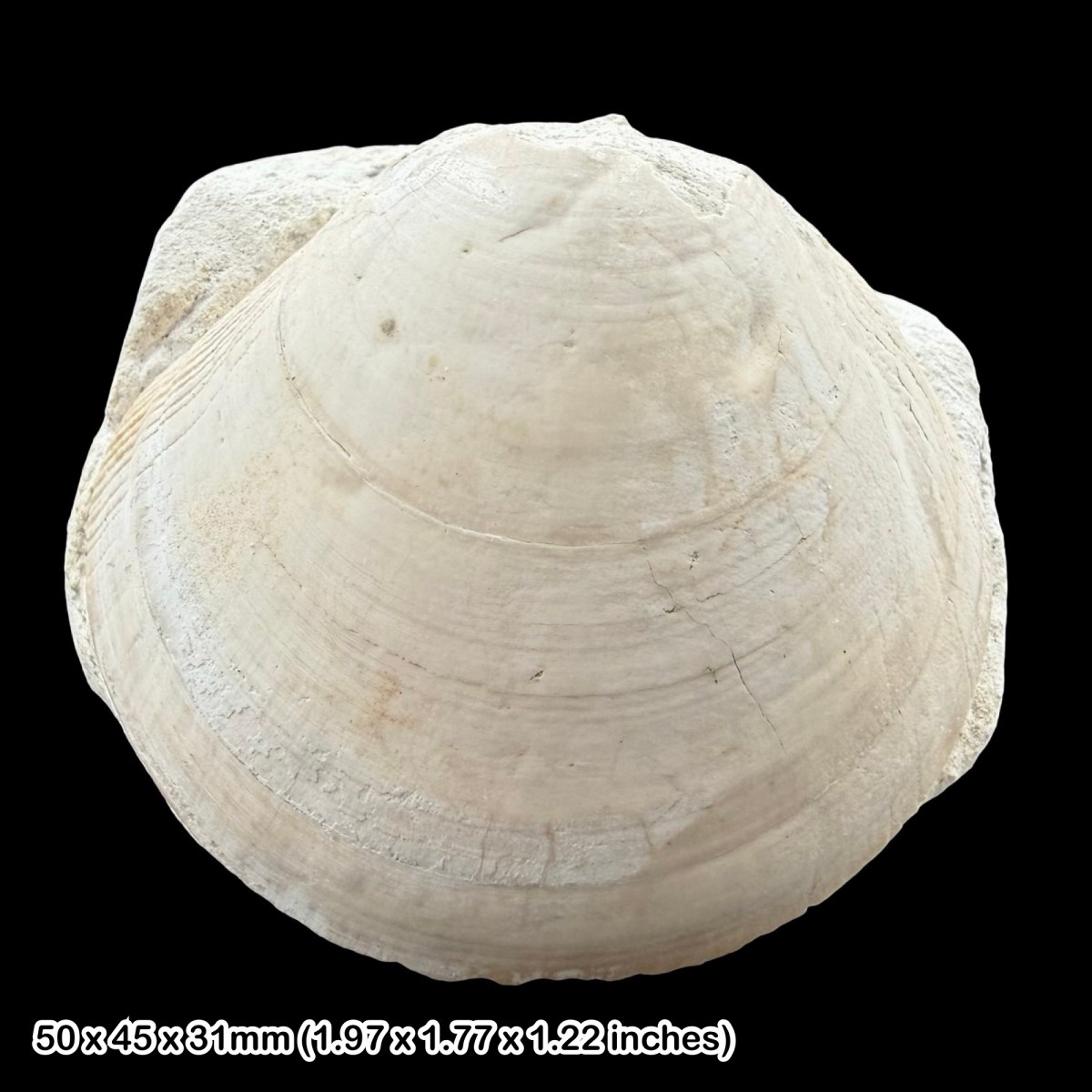
Plagiostoma Bivalve Fossil Chalk Cretaceous Sussex UK Specimen – Upper Cretaceous Plagiostoma sp Marine Shell Fossil Display
$ 32.40
Description Plagiostoma Bivalve Fossil from the Upper Cretaceous of Sussex This genuine Plagiostoma sp. bivalve fossil originates from the Chalk Group of Sussex, United Kingdom, dating to the Upper Cretaceous Period, approximately 100–66 million years ago. Fossils preserved within the chalk deposits of southern England represent some of the most important marine fossils from the Late Mesozoic Era and provide valuable insight into ancient marine ecosystems that flourished long before the extinction of the dinosaurs. Plagiostoma is a genus of marine bivalve molluscs that lived on the seafloor of ancient oceans. Their distinctive shell shape and ribbed ornamentation make them recognisable fossils within marine sedimentary rocks. Specimens preserved in chalk often appear as shells or impressions embedded within the soft white limestone matrix that characterises the Cretaceous deposits of southern Britain. This specimen represents a natural marine shell fossil preserved within the original chalk sediment in which it was buried millions of years ago. Geological Formation of the Chalk Group The Chalk Group is a thick sequence of marine limestone that formed during the Late Cretaceous when much of southern England was submerged beneath a warm epicontinental sea. The rock itself is composed largely of microscopic skeletal remains of planktonic algae known as coccolithophores, whose calcium carbonate plates accumulated on the seabed over millions of years. These fine carbonate sediments slowly compacted and lithified to form the soft white limestone known as chalk. The deposits are particularly famous for forming the iconic white cliffs of southern England, including the well-known exposures across Sussex. Within these chalk layers, the remains of marine organisms such as ammonites, echinoids, brachiopods, and bivalves are commonly preserved. The calm offshore depositional environment allowed delicate shells to settle onto the seabed and become gradually buried by accumulating sediment. Biological Classification of Plagiostoma Plagiostoma belongs to the phylum Mollusca, class Bivalvia, a group of marine organisms characterised by two hinged shells. Bivalves are among the most widespread marine invertebrates in the fossil record and have inhabited marine environments for hundreds of millions of years. Members of this genus lived as benthic marine organisms, meaning they inhabited the sea floor where they filtered microscopic food particles from seawater. Their shells protected the soft-bodied animal and provided structural support. Like many other bivalves, Plagiostoma possessed a muscular foot that allowed it to anchor itself within sediment or stabilise itself on the seabed. The hinged shell could open and close using strong adductor muscles, allowing the animal to feed while remaining protected from predators. Shell Morphology and Distinctive Features Fossils of Plagiostoma are typically recognised by their distinctive shell structure and growth pattern. Even fragmentary specimens often retain characteristic features that allow identification. Typical morphological traits include: Elongated or slightly triangular shell outline Distinct concentric growth lines or ribbing Moderately convex shell profile Strong hinge line where the valves joined Thick calcitic shell material The concentric growth lines visible on the shell surface represent successive stages of growth as the organism expanded its shell over time. Because the shells were composed of calcite, they fossilised readily within marine sediments, making them relatively common components of fossil assemblages in chalk deposits. Upper Cretaceous Marine Ecosystem During the Late Cretaceous, southern England was covered by a broad, warm sea that supported diverse marine life. The calm offshore conditions allowed vast quantities of microscopic plankton to flourish, forming the sediments that would eventually become the chalk deposits. Within this marine ecosystem lived a wide variety of organisms including: Ammonites and belemnites Marine bivalves such as Plagiostoma Echinoids including sea urchins Marine reptiles such as mosasaurs and plesiosaurs Numerous species of fish Bivalves such as Plagiostoma played an important ecological role as filter feeders, removing suspended organic particles and plankton from the surrounding water. When these organisms died, their shells settled onto the seabed and were gradually buried by fine carbonate sediment. Over millions of years, these remains became preserved as fossils within the chalk formations seen today. Authentic Fossil Specimen This fossil is a genuine Plagiostoma bivalve fossil from the Upper Cretaceous Chalk Group of Sussex, UK. The specimen has been carefully selected for quality and display appeal. The photograph shows the actual fossil specimen you will receive, allowing collectors to clearly observe the preserved shell structure within the natural chalk matrix. Full sizing please see photo. Certificate of Authenticity This fossil includes a Certificate of Authenticity lifetime guarantee generic card, confirming that the specimen is a genuine natural fossil. Bivalve fossils from the British Chalk are classic Late Cretaceous specimens that represent life from the ancient seas that once covered southern England. A Plagiostoma fossil from Sussex offers a fascinating glimpse into marine ecosystems that existed tens of millions of years before the end of the age of dinosaurs and makes an excellent addition to any fossil collection, geological display, or educational exhibit.