
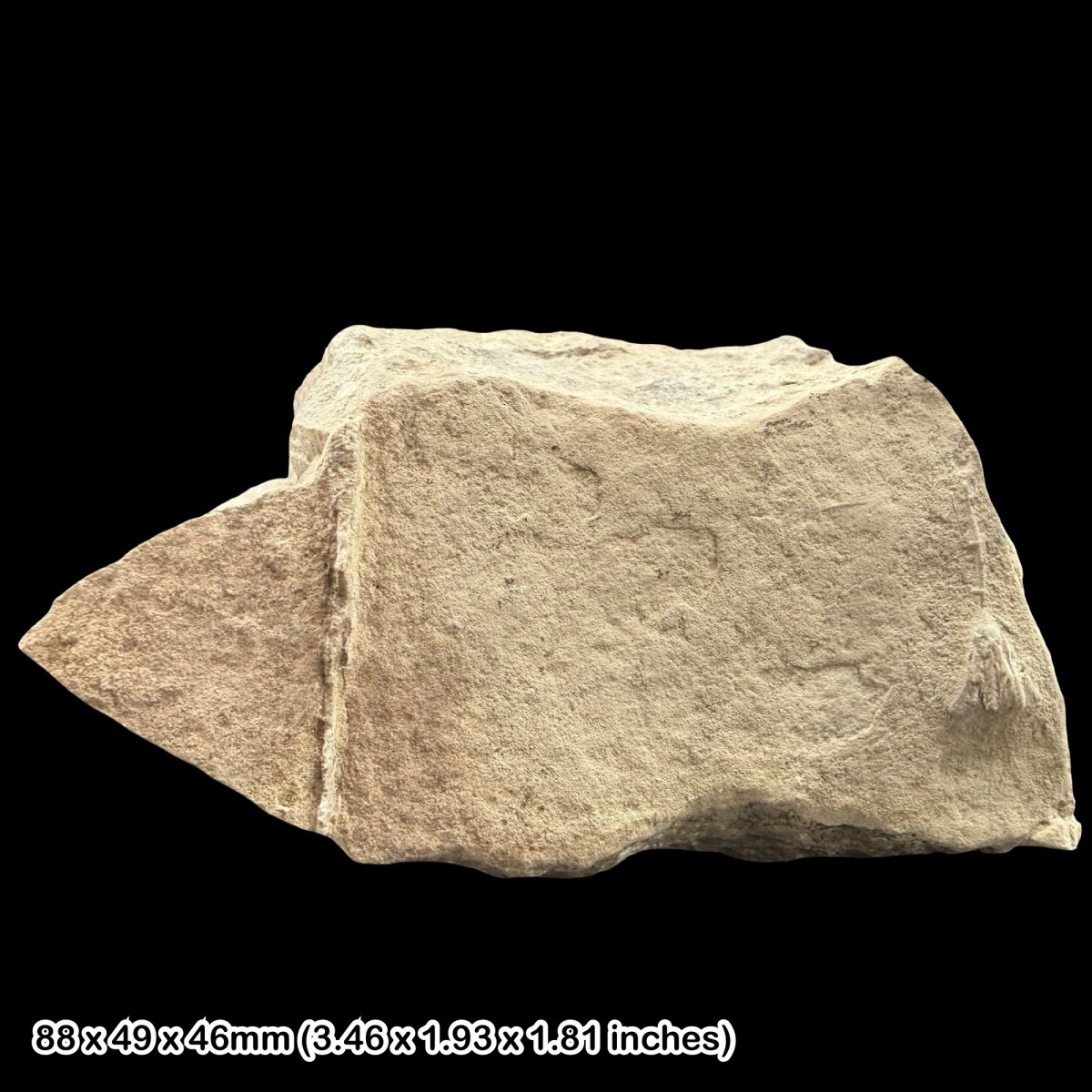
Rare Clematocrinus Crinoid Fossil Charmouth Dorset UK Lower Jurassic Pliensbachian Sea Lily Charmouth Mudstone Formation Authentic Specimen
$ 54.00
Description Rare Clematocrinus Crinoid Fossil from Charmouth, Dorset This rare fossil crinoid of the genus Clematocrinus originates from the fossil-rich cliffs of Charmouth in Dorset, England, preserved within the Charmouth Mudstone Formation and dating to the Lower Jurassic Pliensbachian stage, approximately 190–183 million years ago. Charmouth forms part of the famous Jurassic Coast UNESCO World Heritage Site, one of the most important fossil collecting regions in the world and renowned for its extraordinary marine fossils. The fossil shown in the photographs is the exact specimen you will receive, carefully selected for authenticity, preservation, and display quality. The specimen includes a Certificate of Authenticity lifetime guarantee generic card, confirming that it is a genuine fossil. Full sizing is available in the photographs provided. Crinoid fossils from the Early Jurassic of Dorset are highly collectible due to their delicate structures and their connection to the rich marine ecosystems that flourished in Jurassic seas. Clematocrinus – Jurassic Sea Lily Crinoid Clematocrinus belongs to the class Crinoidea, a group of marine echinoderms related to starfish, brittle stars, and sea urchins. Crinoids are often referred to as sea lilies because their long stalks and feathery arms resemble flowers attached to the sea floor. Within the echinoderm phylum Echinodermata, crinoids display the characteristic five-fold radial symmetry that defines the group. The body of a crinoid is composed of several main structures including the calyx, which houses the internal organs, and numerous feathery arms used for feeding. Clematocrinus was a stalked crinoid that lived anchored to the seabed by a long flexible stem composed of stacked disc-like segments known as columnals. These columnals allowed the animal to maintain an upright position in the water while still providing flexibility in ocean currents. From the calyx extended multiple branching arms equipped with small tube feet. These arms functioned as a suspension feeding system, capturing plankton and organic particles drifting through the water column. Morphology and Fossil Features Crinoid fossils often preserve elements of the stalk, calyx, or arms depending on how the organism was buried and fossilised. The stacked columnal segments that make up the stem are among the most recognisable features of crinoid fossils and can display pentagonal or circular cross-sections depending on the species. The genus Clematocrinus is characterised by a distinctive arrangement of columnals and calyx plates that supported the feeding arms above the seabed. The skeletal elements were composed of calcite plates that fossilised readily within marine sediments. When preserved within fine Jurassic mudstones, these structures can remain remarkably detailed, showing the natural geometry and articulation of the crinoid skeleton. Geological Formation – Charmouth Mudstone Formation This fossil originates from the Charmouth Mudstone Formation, a Lower Jurassic sedimentary sequence exposed along the Dorset coastline between Lyme Regis and Charmouth. The formation consists primarily of dark marine mudstones deposited in an offshore marine basin during the Early Jurassic. During the Pliensbachian stage, southern Britain was covered by a warm epicontinental sea connected to the broader Tethys Ocean. Fine sediments accumulated slowly on the seabed, creating ideal conditions for the preservation of marine organisms. The Charmouth Mudstone Formation is famous for its rich fossil assemblage including ammonites, belemnites, bivalves, fish, marine reptiles such as ichthyosaurs and plesiosaurs, and echinoderms such as crinoids. Occasionally, rapid burial by sediment protected delicate skeletal structures from scavengers and decay, allowing them to fossilise within the surrounding mudstone. Early Jurassic Marine Ecosystem of Dorset During the Early Jurassic, the seas covering southern England supported a complex marine ecosystem. Suspension-feeding organisms such as crinoids occupied the sea floor, filtering plankton from passing currents. Above them swam ammonites and belemnites, while fish and marine reptiles such as ichthyosaurs and plesiosaurs hunted within the water column. These interactions formed a dynamic marine food web within the warm Jurassic seas. Crinoids such as Clematocrinus formed part of the benthic community living on the seabed. Their elevated feeding arms allowed them to capture nutrients from water currents while remaining anchored in place. When these animals died, their skeletal elements could become buried within fine sediments that eventually lithified into the mudstones seen today along the Dorset coast. Authenticity and Collector Information This fossil is a genuine specimen from the Lower Jurassic Charmouth Mudstone Formation of Charmouth, Dorset, UK. The photographs show the exact fossil you will receive, ensuring collectors can clearly see the specimen before purchase. The fossil includes a Certificate of Authenticity lifetime guarantee generic card, confirming its genuine geological origin. Rare crinoids such as Clematocrinus are highly sought after by collectors due to their delicate structure and their importance in understanding Jurassic marine ecosystems. This specimen makes an exceptional addition to any fossil collection, echinoderm display, Jurassic Coast fossil set, or natural history cabinet dedicated to the extraordinary marine life of the Early Jurassic oceans.